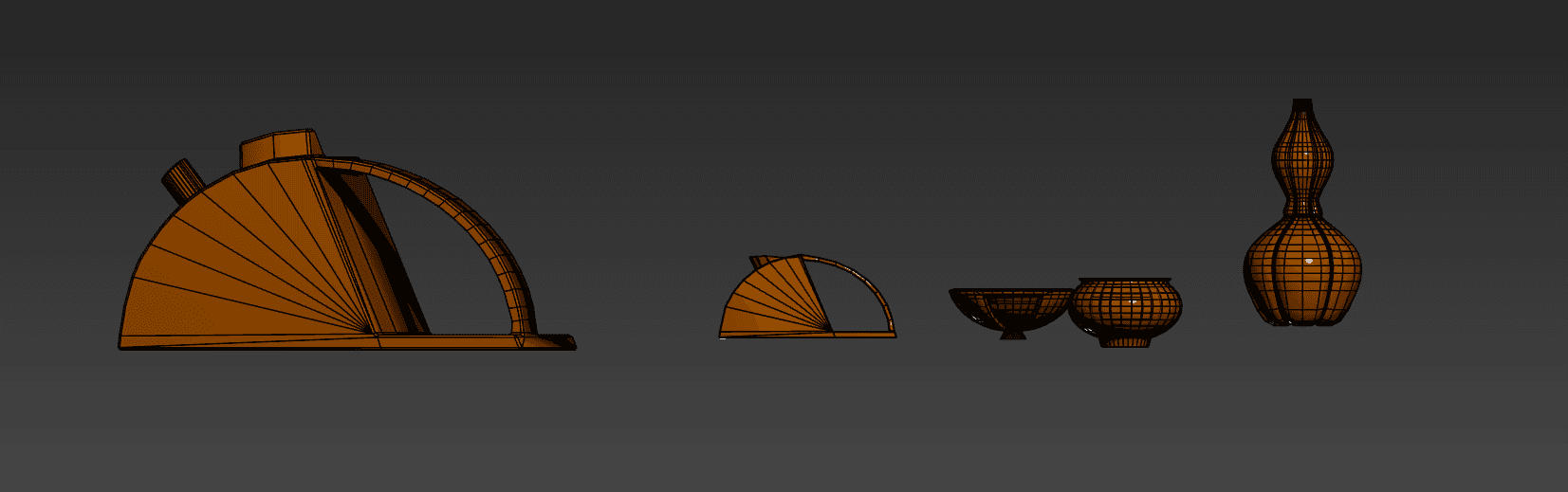
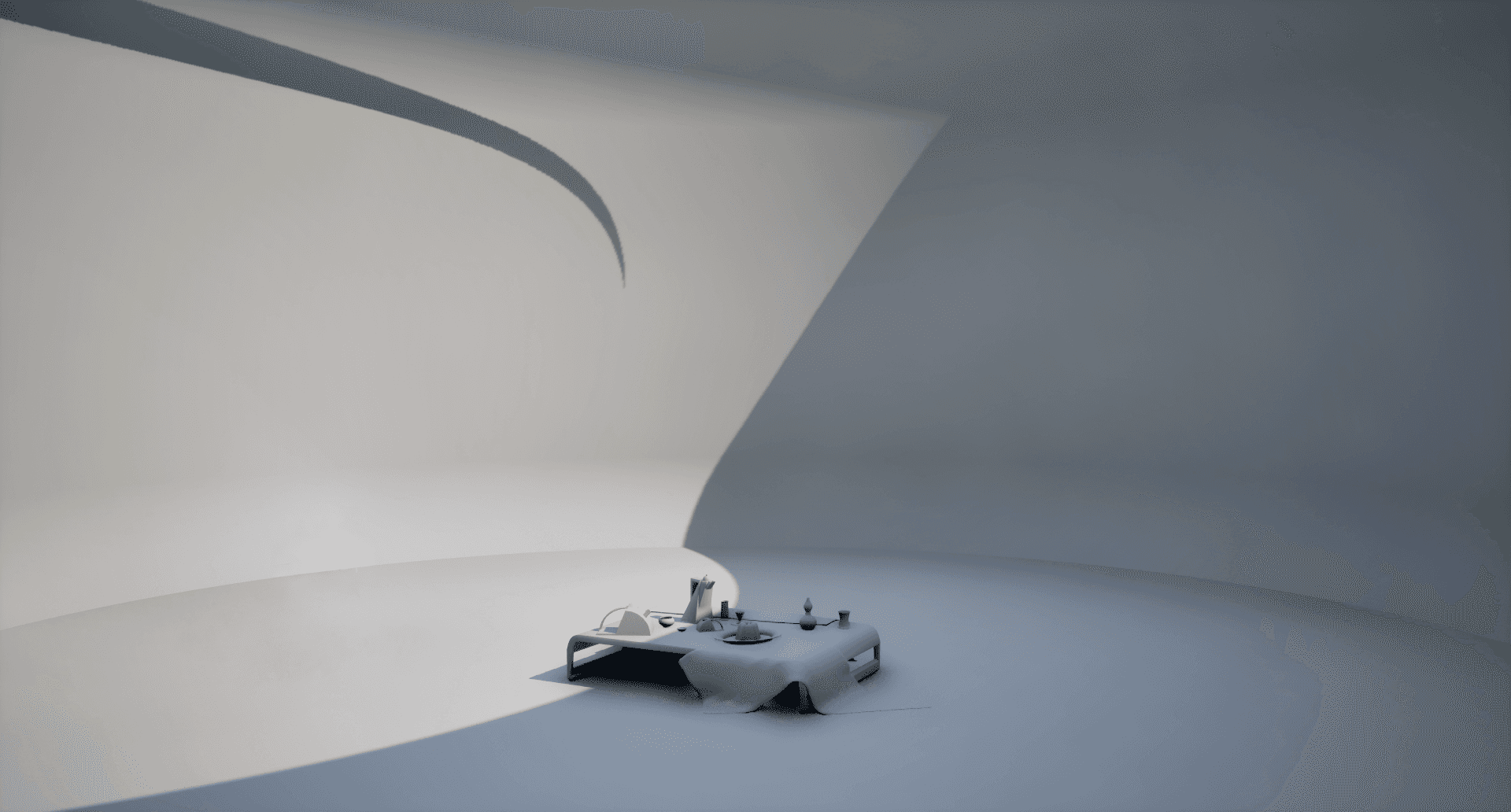
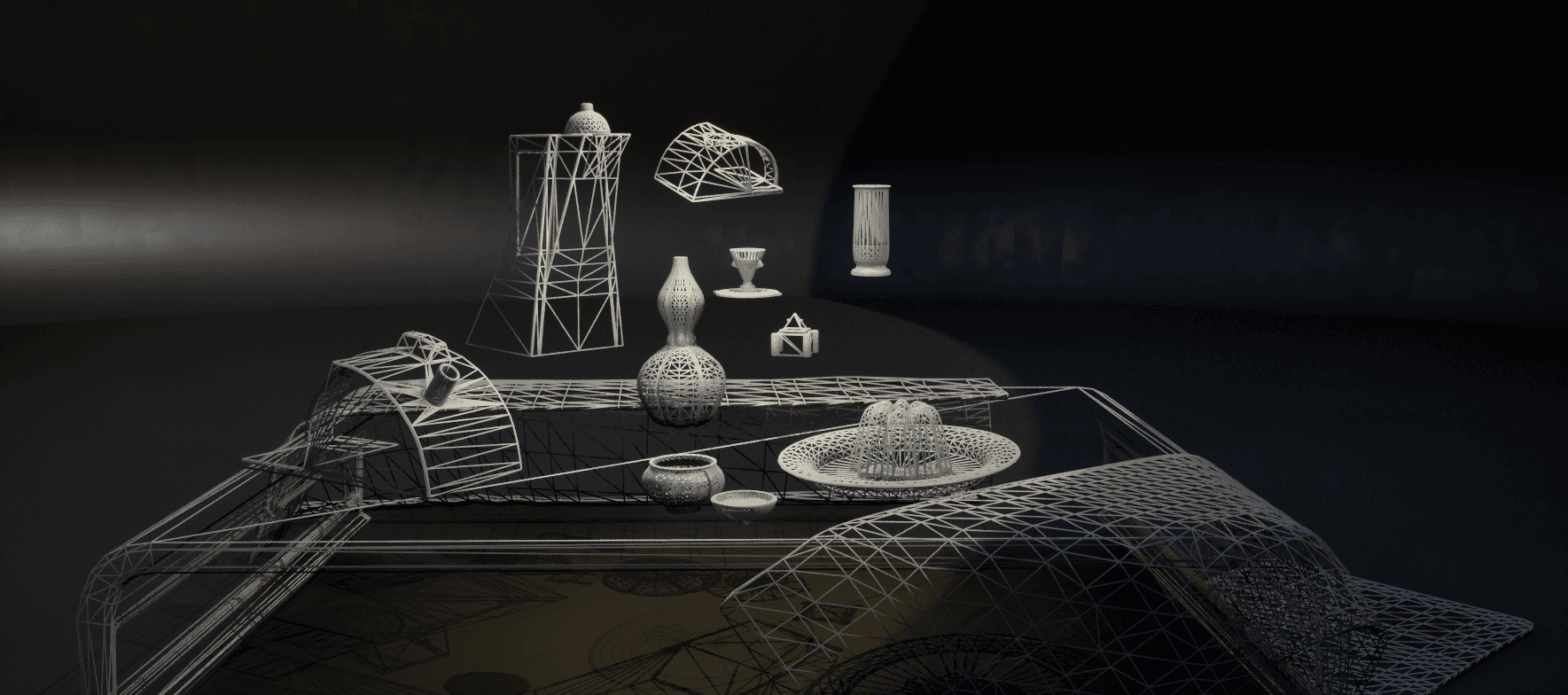
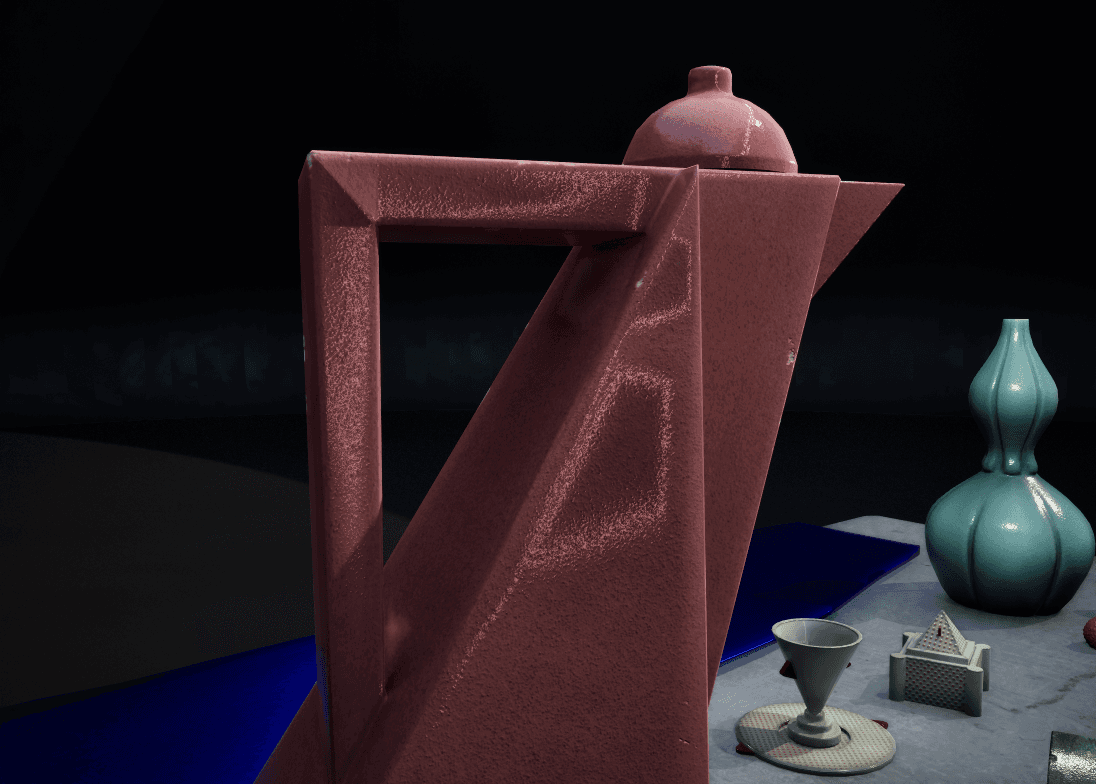
To wash something is to admit that time has already touched it. Ablution begins from this small concession, treating cleansing not as recovery, but as transition. The gesture belongs to an older order of ritual, yet persists within modernity as a kind of temporal residue: an action retained after its original certainties have waned. Drawing from the vanitas tradition, objects become witnesses to duration, but here their histories are unstable; they seem to have aged without memory, to carry the aftermath of events that never fully occurred. What remains is not purity, nor even decay, but the ritual itself—surviving as a form through which time is briefly made tangible.